


Medication shortages continue to impact patients across the United States in 2026. Supply chain disruptions, increased demand, manufacturing delays, and regulatory challenges have contributed to limited availability of certain prescription and over-the-counter medications.
For patients managing chronic conditions, unexpected shortages can cause stress and uncertainty. Understanding how pharmacies respond to supply issues can help ensure continuity of care and minimize disruption.
Why Medication Shortages Happen
Medication shortages occur for a variety of reasons, including:
- Manufacturing delays or quality control issues
- Raw material shortages
- Increased demand for specific medications
- Distribution disruptions
- Regulatory inspections or compliance issues
- Business decisions by manufacturers
Shortages may be temporary or extended depending on the underlying cause.
Medications Commonly Affected by Shortages
While shortages vary by region and time, certain categories are more frequently impacted:
- Diabetes medications
- Injectable weight management medications
- ADHD medications
- Antibiotics
- Certain sterile injectable drugs
- Hormone therapies
When high-demand medications are affected, pharmacies must coordinate closely with suppliers and healthcare providers to identify solutions.
Also Read: Managing Asthma: Tips for a Smooth Fall Transition
What Patients Should Do During a Shortage
If your medication is unavailable, consider the following steps:
1. Contact Your Pharmacy Early
Refill prescriptions several days before you run out. Early communication allows time to address potential supply issues.
2. Ask About Availability at Other Locations
Pharmacies may check inventory across different distributors or nearby pharmacy locations.
3. Speak With Your Healthcare Provider
Your prescriber may recommend:
- An alternative medication
- A different dosage form
- A temporary substitute
- Adjusted treatment plans
Do not stop medication without medical guidance.
How Pharmacies Help During Shortages
Pharmacies play a central role in helping patients navigate supply challenges.
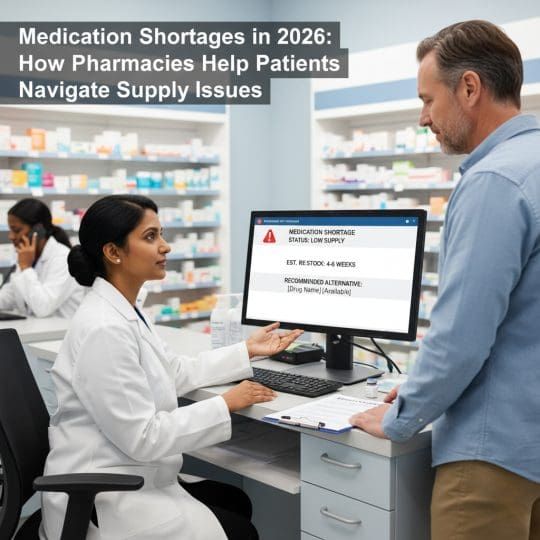
1. Monitoring Inventory and Supply Updates
Pharmacy teams receive regular updates from wholesalers and manufacturers regarding backorders and estimated restock dates.
2. Communicating With Healthcare Providers
Pharmacists may contact prescribers to discuss:
- Equivalent therapeutic alternatives
- Generic substitutions
- Dose adjustments
This coordination helps prevent treatment interruption.
3. Identifying Therapeutic Alternatives
In many cases, medications within the same class may provide similar benefits.
For example:
- If one GLP-1 medication is unavailable, another may be considered under provider guidance.
- If a specific antibiotic is backordered, an alternative within the same treatment guidelines may be prescribed.
All substitutions require provider approval when not automatically interchangeable.
4. Prioritizing Patients With Urgent Needs
Pharmacies may allocate limited inventory to patients with critical medical conditions when supplies are restricted.
5. Assisting With Insurance Adjustments
If a substitution is required, insurance coverage may need to be updated. Pharmacy staff can help process new claims and communicate coverage details.
Avoiding Unsafe Alternatives
During shortages, patients may encounter online advertisements or unverified sources offering unavailable medications.
It is important to:
- Avoid purchasing from unverified websites
- Be cautious of unusually low prices
- Confirm pharmacy licensing
- Consult a pharmacist before switching suppliers
Using unauthorized sources may increase the risk of counterfeit or unsafe products.
Also Read: Managing Asthma: Tips for a Smooth Fall Transition
Planning Ahead for Chronic Conditions
Patients managing chronic conditions such as diabetes, hypertension, asthma, or thyroid disorders should:
- Request refills early
- Maintain regular follow-up appointments
- Keep an updated medication list
- Inform their pharmacy of any travel plans
Proactive planning reduces the likelihood of treatment gaps.
Understanding Temporary Substitutions
If a substitute medication is provided during a shortage, you may notice differences such as:
- Tablet appearance
- Manufacturer labeling
- Packaging changes
Your pharmacist will explain:
- Proper dosing instructions
- Any changes in administration
- Potential differences in side effects
Always confirm instructions before leaving the pharmacy.

Managing Anxiety During Shortages
Medication shortages can create concern, particularly for patients relying on long-term therapies. Clear communication between the patient, pharmacy, and healthcare provider helps ensure safe continuity of care.
If you are notified of a shortage:
- Do not panic
- Avoid rationing medication unless instructed
- Contact your pharmacy for guidance
Early discussion increases the likelihood of identifying a safe solution.
The Role of Heidi Pharmacy
During medication shortages, pharmacy teams focus on:
- Maintaining transparent communication
- Coordinating with healthcare providers
- Exploring safe therapeutic alternatives
- Assisting with insurance processes
- Providing updated availability information
Pharmacists are trained to evaluate safe substitution options and support patients through supply disruptions.
Summary
Medication shortages in 2026 remain a national concern affecting various drug categories. However, most shortages are temporary and manageable with proper coordination.
If your medication is unavailable:
- Contact your pharmacy promptly
- Consult your healthcare provider
- Discuss safe alternatives
- Avoid unverified sources
Pharmacies serve as a key resource in maintaining treatment continuity during supply challenges.
Medical Disclaimer
This content is for informational purposes only and does not constitute medical advice. Always consult a licensed healthcare professional before making changes to your medication regimen.